The short answer
Most furnace problems in Cupertino homes come from equipment that sits unused for months, such as dirty flame sensors, failed igniters, clogged filters and thermostat faults, and many are repairable in a single visit. Bay Area Air District rules do not require you to replace a working furnace, so repair is usually worth considering before replacement.
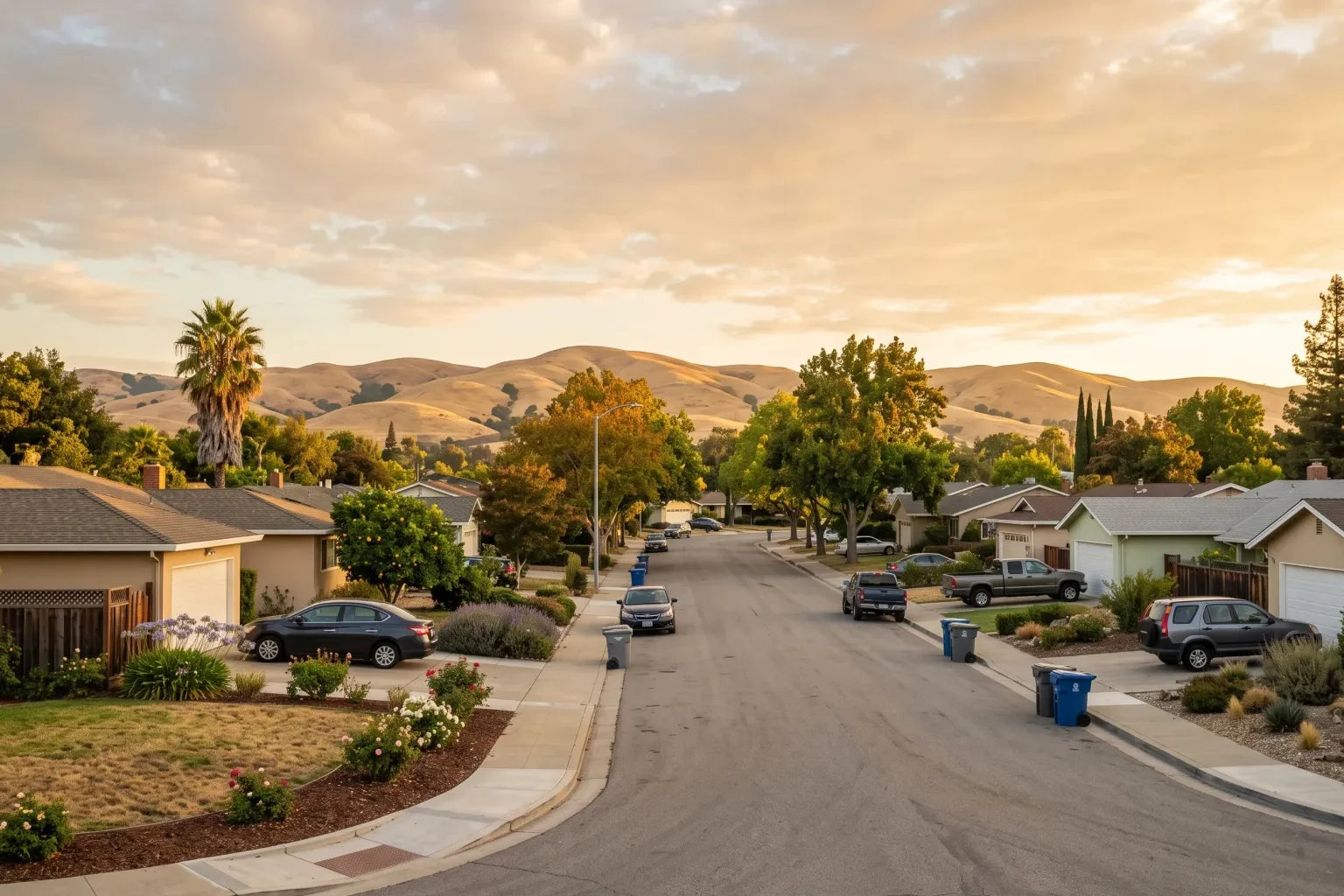
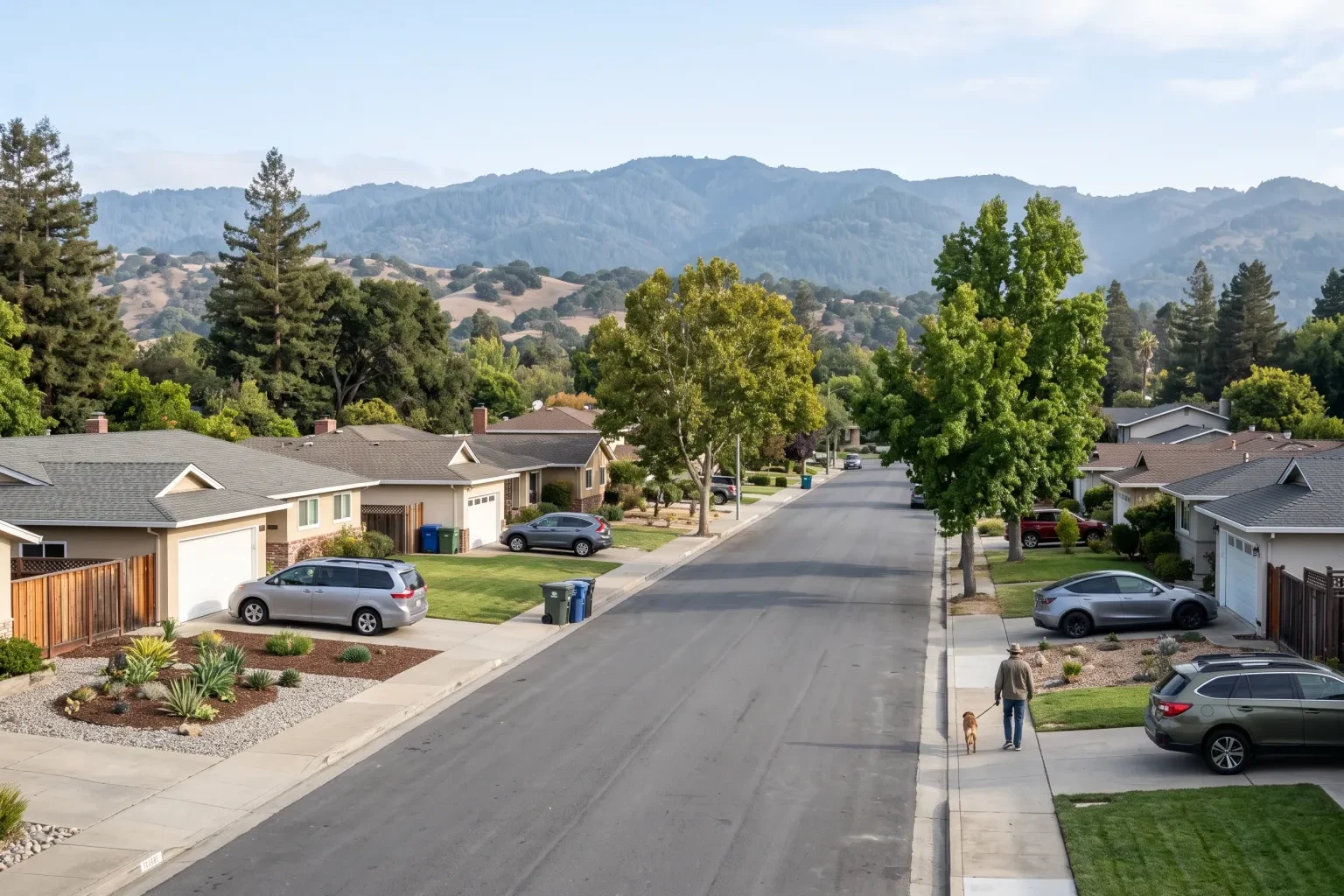
Cupertino winters are mild, but cool, damp nights still make a working furnace matter. Because many homes here run the heat only a few months a year, furnaces often sit idle through the long dry summer and then get asked to work hard on the first cold evening of fall. That pattern causes its own set of problems: dusty burners, weak flame sensors, tired igniters and filters that were forgotten since last winter. PrimeBreeze HVAC Repair Service is based in San Jose, about 6 miles east of Cupertino, and we handle furnace repair for homes throughout the 95014 ZIP code. This page explains the furnace problems we see most often, how we approach a repair, and how current Bay Area appliance rules affect your decision to repair or replace.
Common Furnace Problems in Cupertino Homes
The Santa Clara Valley has a Mediterranean climate with dry summers and mild, damp winters. For a furnace, that means long stretches of no use followed by short periods of steady demand. Parts that wear slowly in colder places can fail suddenly here, often on the first night someone turns up the thermostat.
These are the issues we diagnose most often on furnace calls in Cupertino:
- Furnace runs briefly, then shuts off: often a dirty flame sensor or a limit switch reacting to poor airflow
- No ignition at all: a cracked hot surface igniter, a failed pilot assembly on older units, or a gas valve problem
- Burning dust smell at startup: common after months of sitting, though a smell that lingers should be checked
- Blower runs but air stays cool: ignition, gas supply or control board issues
- Short cycling or uneven heat between rooms: clogged filters, closed or blocked vents, or duct problems
- Water near a high-efficiency furnace: a blocked condensate line or drain trap
- Thermostat calls for heat but nothing happens: wiring, dead batteries, or a thermostat that has lost its settings
How We Handle a Furnace Repair Visit
We start by asking what you noticed: when the problem began, any sounds or smells, and whether the furnace has been serviced recently. Then we check the system in order, from the thermostat and filter to the ignition sequence, burners, flame sensor, safety switches, blower and venting. Many furnaces store error codes, and we read those as part of the diagnosis.
Before any work begins, we explain what we found in plain terms and give you options. If a part needs to be replaced, we tell you why. If the furnace is near the end of its useful life, we say so honestly and let you decide whether a repair makes sense for your situation. After a repair, we run the furnace through full heating cycles to confirm it lights, stays lit and shuts down correctly.
Safety Issues That Should Not Wait
Some furnace symptoms point to a safety concern rather than a comfort problem. If you smell gas, leave the house right away and contact your gas utility or emergency services from outside. Do not switch lights or appliances on or off.
Call for service promptly if your carbon monoxide alarm sounds, if you see soot around the furnace or vent, if the burner flame looks mostly yellow instead of blue, or if the furnace keeps tripping a breaker. These signs can indicate venting, combustion or electrical problems that should be inspected before the furnace runs again.
Repair or Replace: What Bay Area Rules Mean for You
Many Cupertino homeowners have heard about new Bay Area Air District rules for gas appliances and wonder whether they must replace their furnace. They do not. The rules do not require replacing working equipment. They apply only when an existing furnace fails or is replaced.
Under the Air District's furnace rule, natural gas furnaces manufactured from 2029 must meet a zero-NOx emission standard. In practice, that points homeowners toward heat pumps when a furnace is replaced after that date. If your furnace is repairable today, fixing it is a reasonable choice, and it also gives you time to plan your next step.
If you are thinking about a heat pump, note that the federal Energy Efficient Home Improvement Credit only covered qualifying heat pumps placed in service before December 31, 2025. It is not available for new installations. Local options may still exist: you can check BayREN and your local clean energy provider for current heat pump and electrification incentives. Amounts and availability change by funding cycle, so we confirm the current offer before including it in any quote.
Serving Cupertino and Nearby Communities
We provide furnace repair across Cupertino in Santa Clara County, as well as in nearby Saratoga, Los Altos, Sunnyvale, Santa Clara and Campbell. Because we work from San Jose, Cupertino is a short drive for our technicians. If your furnace is acting up, schedule a visit and we will help you figure out what is wrong and what it will take to fix it.
More services in Cupertino
- AC Repair in CupertinoLocal service & repairs
- Heating Repair in CupertinoLocal service & repairs
- Heat Pump Installation in CupertinoLocal service & repairs
- AC Installation in CupertinoLocal service & repairs