The short answer
A good AC installation in Los Altos Hills starts with a room-by-room load calculation, because hillside homes with multiple levels and large windows rarely cool evenly with a rule-of-thumb unit. Many homeowners choose a heat pump instead of a standard AC, since it handles both cooling and heating and fits where Bay Area furnace rules are heading.
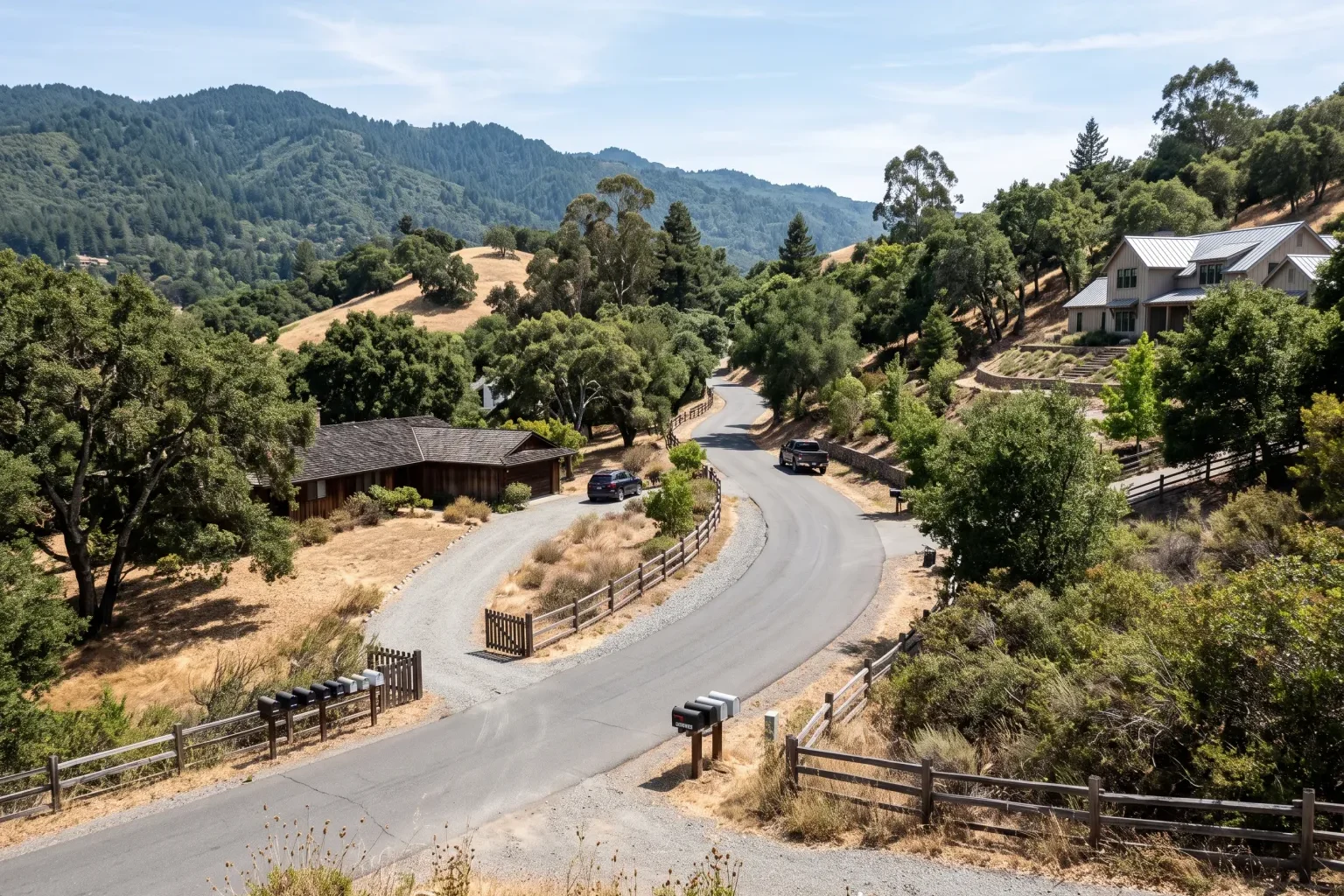
Los Altos Hills sits in the foothills on the west side of the Santa Clara Valley, about 11 miles from our base in San Jose. Homes here are often spread out on sloped lots, with additions, multiple levels, and long runs between rooms. That layout makes AC installation more than a matter of choosing a unit. Getting the size, equipment type, and placement right decides whether the system keeps every room comfortable or leaves some too cold and others too warm. PrimeBreeze installs central air conditioners, heat pumps, and ductless systems for homeowners in the 94022 ZIP code. Here is how we approach the job and what you should weigh before you decide.
Sizing a System for Foothill Homes
The Santa Clara Valley has dry summers and mild, damp winters. Inland and southern parts of the valley run noticeably hotter in summer than areas near the Bay. Los Altos Hills falls between those extremes. You still get warm afternoons, and they put a real load on a house with big glass walls or rooms that face west.
We don't size equipment by square footage alone. We run a load calculation that accounts for insulation, window area and orientation, ceiling height, shading from trees, and how the house is split across levels. An oversized unit cycles on and off quickly, removes less moisture, and wears out sooner. An undersized one runs all afternoon and still falls behind. The calculation tells us what the house needs, and in some homes it shows that two zones or two systems will work better than one large unit.
Central AC, Heat Pump, or Ductless?
Which system fits depends on your existing ductwork, your heating setup, and how you use the house.
- Central air conditioner: pairs with an existing gas furnace and ductwork. It's a common choice if your furnace is fairly new and working well.
- Heat pump: cools in summer and heats in winter with one outdoor unit. With our mild winters, a properly sized heat pump can handle heating for most homes here.
- Ductless mini-split: works for additions, converted garages, guest units, or older homes without ducts. Each indoor head controls its own zone.
- Hybrid setup: a heat pump paired with a gas furnace as backup, useful when you want to keep a newer furnace in service.
How Bay Area Rules Affect Your Choice
If your furnace is aging, it's worth thinking about AC and heating together. Under the Bay Area Air District's furnace rule, natural gas furnaces manufactured from 2029 on must meet a zero-NOx emission standard. In practice, that points homeowners toward heat pumps when a furnace is replaced after that date. Installing a heat pump now for cooling can set you up for that change without a second project later.
These rules do not require you to replace equipment that still works. They apply only when an existing furnace fails or is replaced. If your furnace is in good shape, adding a central AC is still a reasonable choice. We'll walk you through both paths.
On incentives: the federal 25C tax credit covered qualifying heat pumps placed in service before December 31, 2025. It is not available for new installations after that date. Bay Area homeowners can still check BayREN and their local clean energy provider for current heat pump and electrification incentives. Amounts change by funding cycle, so we confirm the current offer before including it in any quote.
What Installation Day Looks Like
Sloped lots and long driveways affect where the outdoor unit can go and how refrigerant lines are routed. Before install day, we check the pad location for clearance, drainage, and noise toward bedrooms and neighbors. We also inspect existing ducts for leaks and undersized runs, because a new unit on poor ductwork won't perform as expected.
During the install, we protect floors, set and level the equipment, braze and pressure-test the refrigerant lines, pull a vacuum, and charge the system to the manufacturer's specifications. We test airflow at the registers and set up your thermostat. Before we leave, we show you how to change filters and what routine care the system needs.
More services in Los Altos Hills
- AC Repair in Los Altos HillsLocal service & repairs
- Heating Repair in Los Altos HillsLocal service & repairs
- Heat Pump Installation in Los Altos HillsLocal service & repairs
- Furnace Repair in Los Altos HillsLocal service & repairs