The short answer
Yes, PrimeBreeze serves Loyola, CA, about 9 miles west of our San Jose base, with AC, furnace, and heat pump repair and installation, plus maintenance, duct cleaning, and indoor air quality work. If your furnace is still working, Bay Area rules do not require you to replace it, but it helps to plan ahead for the 2029 zero-NOx furnace standard.
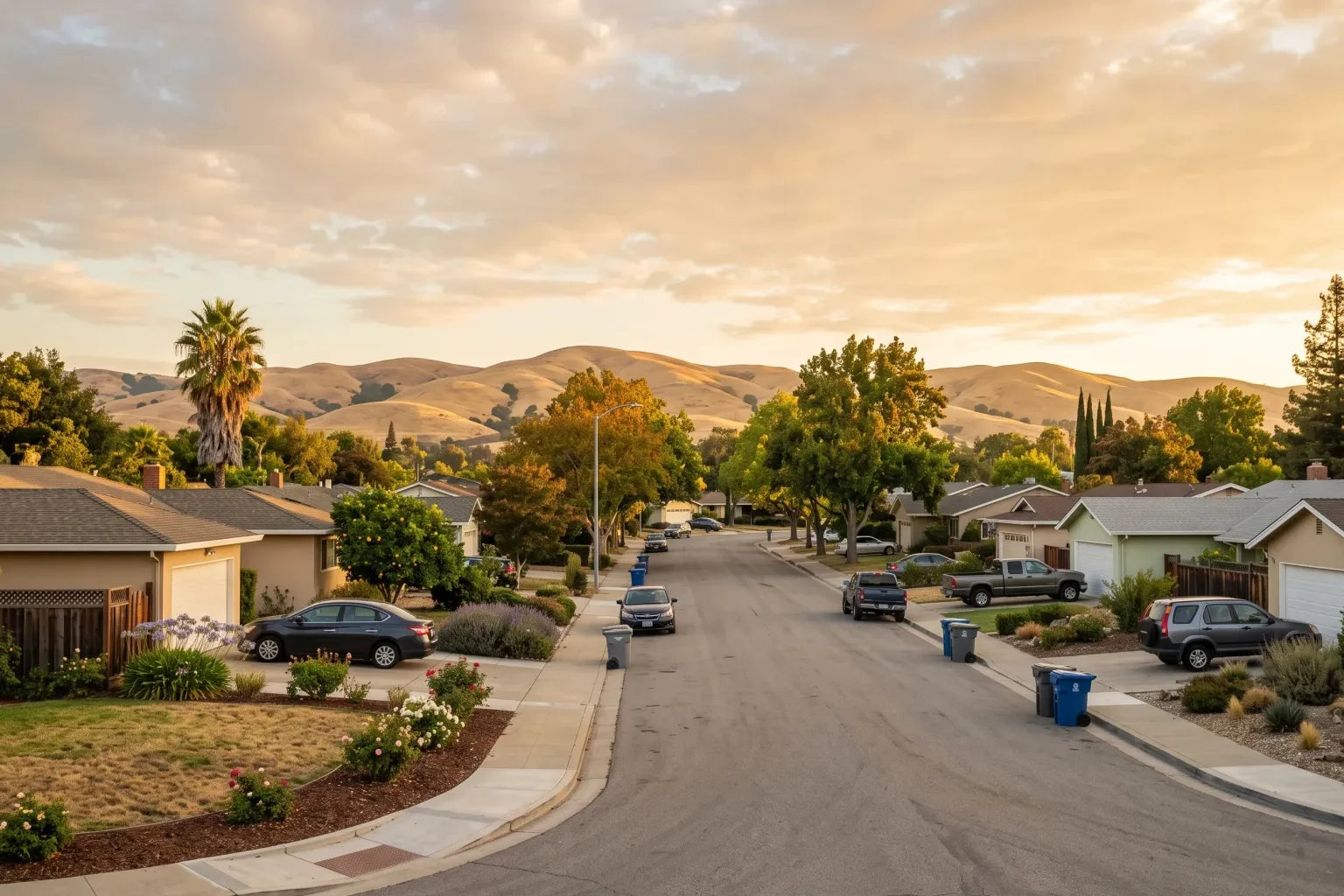
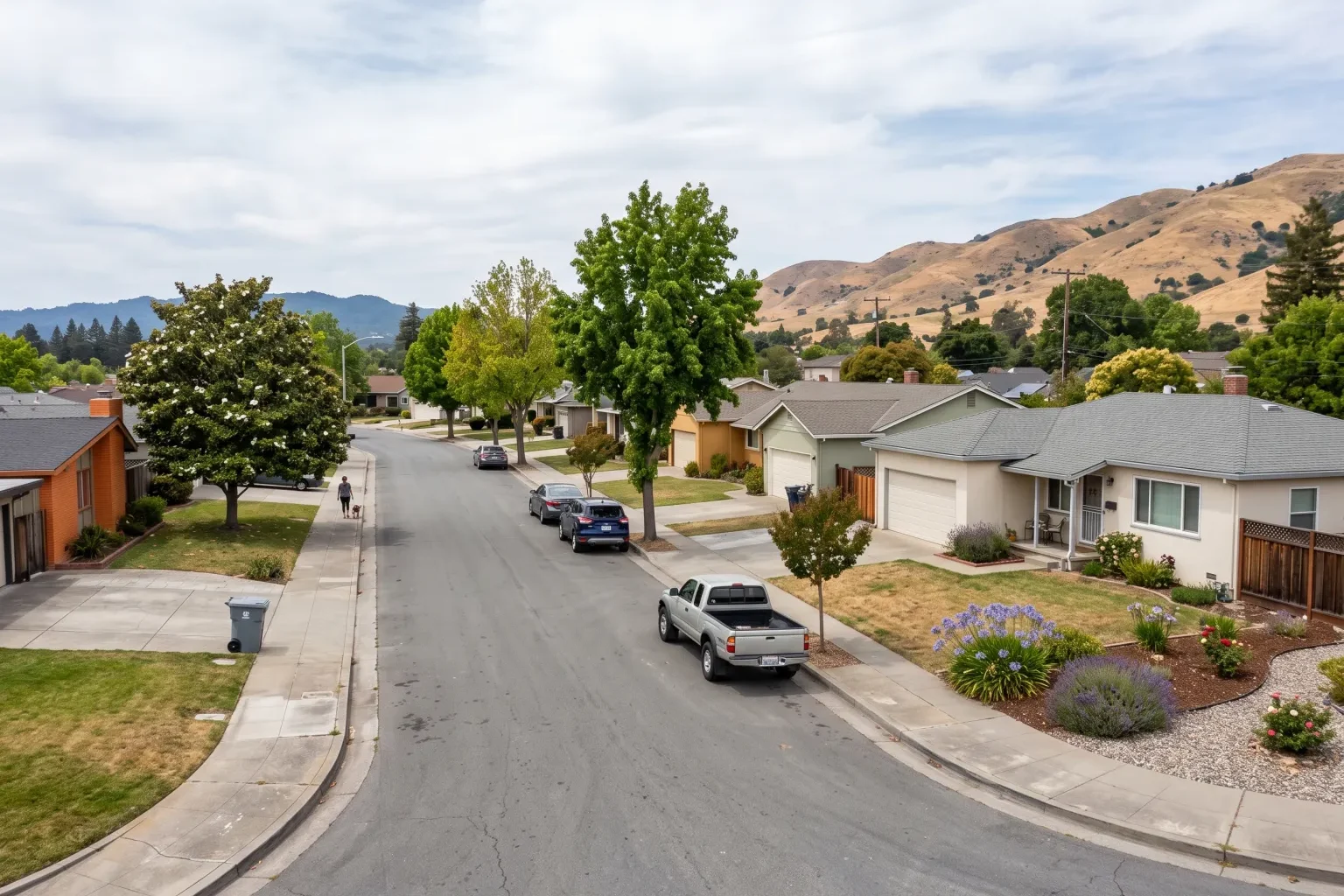
Loyola is a small unincorporated community in Santa Clara County, about 9 miles west of our base in San Jose. PrimeBreeze HVAC Repair Service handles heating and cooling repair, installation, and routine upkeep for Loyola homeowners, as well as for neighbors in Los Altos, Los Altos Hills, Mountain View, Cupertino, and Palo Alto. This page covers what we do, how the local climate affects your equipment, and what current Bay Area rules mean if you are thinking about replacing a furnace or adding a heat pump.
Heating and Cooling Services for Loyola Homes
Most calls we get from the Loyola area fall into two groups. Some are urgent: an air conditioner that stops cooling or a furnace that will not light. Others are planned projects, like replacing an aging system or adding comfort to a room the main system never reaches. We handle both, and we explain what we find before any work begins.
- AC repair and AC installation
- Heating repair, furnace repair, and furnace installation
- Heat pump installation for whole-home heating and cooling
- Ductless mini-split installation for additions, converted garages, and hard-to-heat rooms
- HVAC maintenance to catch small problems before they become breakdowns
- Duct cleaning and indoor air quality improvements
How the South Bay Climate Affects Your System
The Santa Clara Valley has a Mediterranean climate, with dry summers and mild, damp winters. That pattern shapes how Loyola equipment wears. Air conditioners can sit idle for months and then run hard during summer heat, which is when weak capacitors, low refrigerant, and clogged condenser coils tend to show up. Inland and southern parts of the valley run noticeably hotter than areas near the Bay, so how hard your system works depends partly on where your home sits and how it is built.
Winters are mild, but damp air and cool nights still mean a furnace or heat pump cycles regularly from fall into spring. Because heating demand is moderate, many Loyola homes are good candidates for a heat pump that both heats and cools. Dry summer months can also bring dust and, in some years, smoky air, which is where filtration upgrades and duct cleaning can make a real difference indoors.
Replacing a Furnace Under Bay Area Air District Rules
If you are weighing a furnace replacement, it helps to know the local rules. Under Bay Area Air District Rule 9-4, natural gas furnaces manufactured from 2029 onward must meet a zero-NOx emission standard. In practice, that points homeowners toward heat pumps when a furnace is replaced after that date.
These rules do not force anyone to tear out working equipment. They apply only when an existing furnace or water heater fails or is replaced. If your furnace runs well today, regular maintenance is a sensible way to keep it going while you decide what comes next. If it is older and needing frequent repairs, we can talk through whether repairing, replacing it with another furnace, or switching to a heat pump makes the most sense for your home.
Water heaters fall under a separate rule. The zero-NOx date for small water heaters under Rule 9-6 was set for 2027, and the Air District Board is considering amendments in November 2026 that could delay it, so check the current rule before planning that project.
Heat Pump Incentives: What Is Available Now
The federal Energy Efficient Home Improvement Credit, known as 25C, covered qualifying heat pumps placed in service before December 31, 2025. It is not available for new installations after that date, so do not count on it when budgeting a new system.
Bay Area homeowners can still check BayREN and their local clean energy provider for current heat pump and electrification incentives. Amounts and availability change by funding cycle, so we confirm the current offer before including it in any quote.
What to Expect When You Contact Us
When you reach out, tell us what you are noticing: warm air from the vents, short cycling, strange noises, a burning smell, or rooms that never get comfortable. A technician will inspect the system, explain the cause in plain terms, and lay out your options before starting any repair. For installations, we look at your home's layout, existing ductwork, and comfort goals so the equipment fits how you actually live.